Mes: octubre 2025
Que levante la mano quien haya visto una máquina de escribir para notación musical. →
¿Dónde estaba Mazón?
¿Dónde estaba Carlos Mazón esa tarde? No es morbo, es saber si su irresponsabilidad habría podido salvar vidas. →
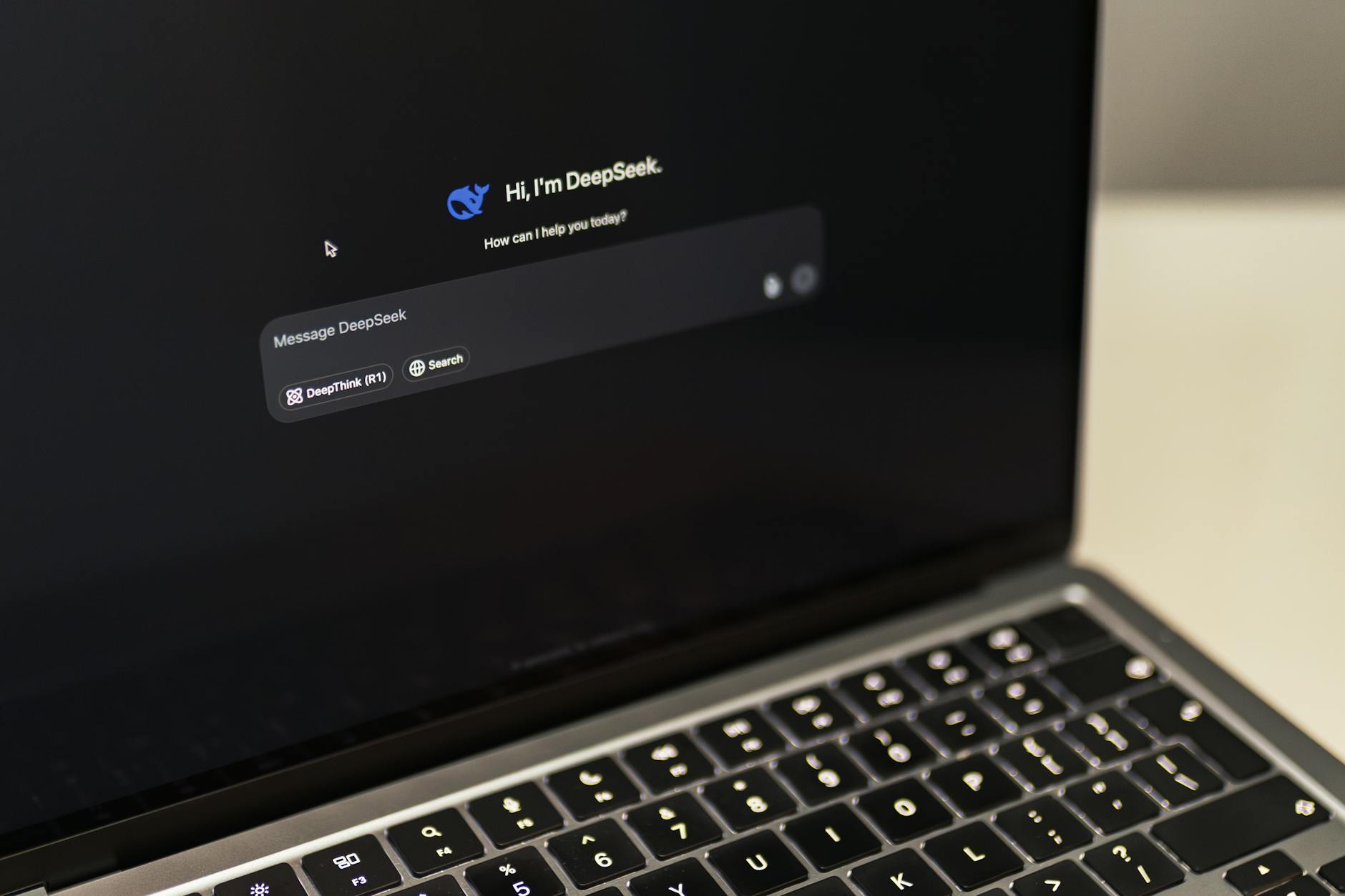
No, Technology Isn’t Making Us Stupider: What Psychology Says

Every technological revolution arrives with its prophecy of intellectual decay. They said it about books, then about television, and now about artificial intelligence. The article in El Diario about the supposed golden age of stupidity repeats that old fear in new language. But if we look at the evidence through psychology, the picture is very different.
Technology does change the way we think, yes. It affects attention, reorganizes memory, and encourages a growing dependence on external devices. However, that doesn’t mean we’re becoming less intelligent. The human brain doesn’t shut down when we use digital tools: it reorganizes itself. What science calls cognitive offloading (delegating certain mental tasks to external supports) doesn’t imply loss, but adaptation. Just as we once began writing to free up oral memory, now we externalize data so we can focus on more complex processes. That’s basically why we don’t remember phone numbers anymore.
The real problem appears when we confuse convenience with thought. If we let algorithms decide for us, intelligence doesn’t weaken: it falls asleep. But the culprit isn’t the machine; it’s the user who gives up the mental friction required to understand the world. Social psychology explains this catastrophism as negativity bias: we often overvalue what we lose and ignore what we gain. From the printing press to AI, the fear of cognitive decline is more emotional than scientific.
Today we know that the brain adapts to the digital environment just as it once adapted to written language. We’re not witnessing an intellectual collapse, but a reconfiguration. The challenge isn’t to resist technology, but to learn to use it with critical attention. Thinking remains a voluntary act, even if the world keeps trying to distract us.
We’re not living through a golden age of stupidity. We’re living through an age of cognitive mutation. Intelligence isn’t dying: it’s changing shape. The real danger doesn’t lie in machines that think too much, but in humans who’ve stopped doing so.
Hoy hace un año, la Dana arrasó Valencia. Hoy toca seguir exigiendo justicia.
Mazón a prisión.
Estoy tranquilo, pero por dentro arde París
La ira es una emoción legítima. Enfadarse no es un fallo psicológico, sino a veces la respuesta más sana ante lo que duele o se repite. →
No hay nada mejor que lo absurdo para sobrevivir

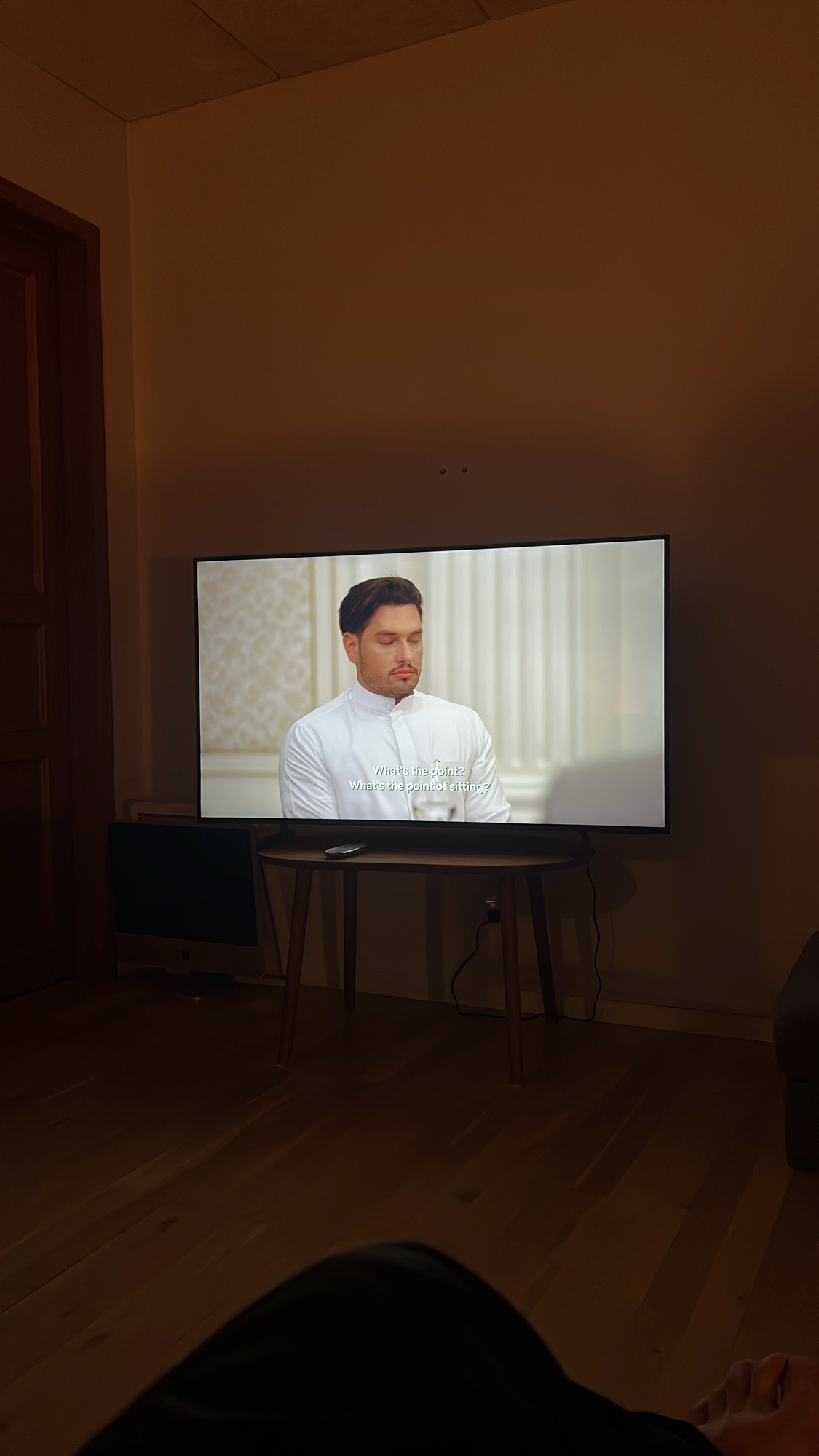
Nunca me han gustado los realities. O al menos eso me decía a mí mismo mientras fingía tener criterio. Pero no hay nada mejor que apagar el cerebro y dejar que la neurona de guardia contemple el desastre humano en alta definición. Dubai Bling, Milf Manor, Love Is Blind… un desfile de pestañas postizas y frases que harían llorar a tu psicóloga. No hay nada mejor que lo absurdo para sobrevivir.
No, la tecnología no nos está volviendo más estúpidos: lo que dice la psicología
La psicología desmiente la idea de que la tecnología nos vuelve tontos. No perdemos inteligencia, la transformamos. →
12 leyendas urbanas sobre las lenguas que deberíamos dejar de repetir
¿Crees que los esquimales tienen cien palabras para nieve? O que el alemán tiene la palabra más larga del mundo? Descubre las 12 leyendas urbanas sobre las lenguas más repetidas (y más falsas) de la historia. →
“Narcisista” es el nuevo “imbécil”: cómo convertimos nuestras rupturas en diagnósticos psicológicos

En la era de las redes sociales y la psicología de bolsillo, “narcisista” se ha convertido en el nuevo insulto universal para describir a los ex. ¿Cómo hemos transformado las rupturas amorosas en diagnósticos clínicos? No todos los amores rotos son relaciones tóxicas, y no todas las decepciones implican un trastorno de personalidad. A veces,… →
“Narcissist” is the new “jerk.” People used to say “my ex was awful,” but that didn’t sound clinical enough. Now everyone’s a part-time psychologist diagnosing their heartbreaks with Greek mythology.
Sometimes it’s true. Real narcissists exist, and they can wreck lives with the emotional subtlety of a bulldozer. But most of the time, “narcissist” just means “someone who didn’t love me how I wanted.” It’s easier to slap on a label than to admit two flawed humans made a mess of each other.