
If you thought limerence was the peak of your emotional chaos, get ready for more. If the person you’re obsessed with were consistent, kind and emotionally stable, you’d lose interest fast. That inconsistency you hate is the very thing keeping you hooked.
To avoid repeating “the person you’re obsessed with” endlessly, let’s call them your LO, your love object, the person who turns your brain into mush.
The real engine behind your fixation is suspense: the blend of hope, fear and masochism that keeps you glued to your phone. This is where intermittent reinforcement steps in, one of the most powerful psychological mechanisms shaping human attachment.
Intermittent Reinforcement Explained: Why Your Brain Can’t Let Go
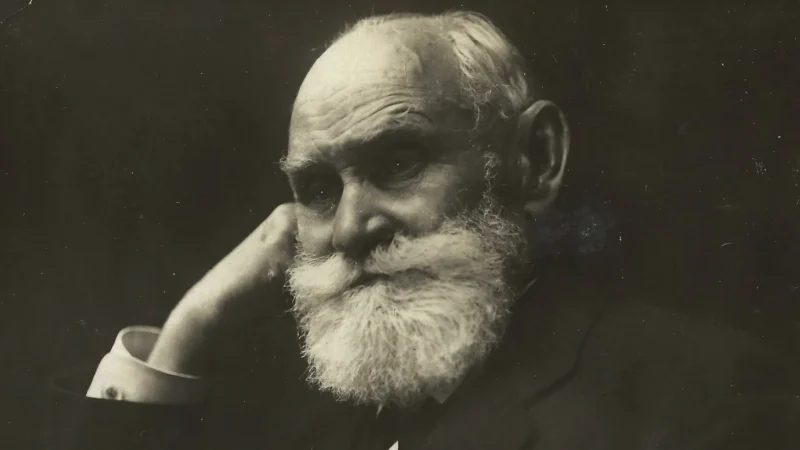
Pavlov’s dog had it easy compared to you. Replace the bell with your LO’s WhatsApp notification tone and you’re practically salivating on command.
A Definition of Intermittent Reinforcement
Intermittent reinforcement is the psychological pattern that keeps you hooked by mixing emotional rewards with unpredictable silence, creating a cycle of anticipation your brain finds irresistible. Instead of consistent affection, you get occasional hits of attention that trigger powerful dopamine spikes, training your mind to chase the next “maybe” even when the relationship is clearly draining you. This mix of uncertainty and reward is the same mechanism behind slot machines, addictive apps and toxic romantic dynamics, which is why it turns almost anyone into an unwilling gambler of love.
Intermittent reinforcement starts with a reward. A random like. A late-night intimate message. A clumsy “I miss you.” Your brain reacts with a burst of dopamine intense enough to make you forget your common sense. It registers that tiny hit as something worth chasing.
Then comes the withdrawal. No messages for days. Monosyllabic replies. The dreaded thumbs-up emoji. That emotional blackout is what creates the craving. Your brain was expecting reward and suddenly gets nothing, so it pushes you to seek more.
Finally comes the obsession. You check your phone like a market analyst, convinced the next dopamine spike might arrive any minute. Consistency wouldn’t hook you; randomness does. You didn’t fall in love. You fell into a biological loop designed to make animals repeat behaviours that “might” pay off.
Dopamine and Uncertainty: How Your Brain Learns to Crave Chaos
Dopamine isn’t about pleasure. It’s about prediction and learning. It reinforces behaviours that could lead to a reward. And it releases more intensely when the reward is uncertain. Chaos teaches the brain faster than stability.
That’s why every crumb of attention from your LO feels unforgettable. Your dopamine system interprets unpredictability as something crucial for survival, even if it’s destroying your emotional health.
You’re not addicted to the person. You’re addicted to the pattern: uncertainty followed by a rare reward.
The Slot Machine Effect: Why Emotional Highs Feel Like Gambling
Slot machines mastered your brain before you were born. Their power lies in unpredictability. You never know when the jackpot will drop. The anticipation is more addictive than the win itself.
Your LO operates on the same schedule. Every message is a pull of the lever. The inconsistent reward schedule keeps you invested far more than consistent affection ever would. You don’t love the person. You love the possibility.
How to Break the Cycle of Emotional Gambling
The solution is painfully simple: stop pulling the lever. Zero contact. Block if necessary. As long as you believe another hit might come, you’ll stay stuck.
Telling yourself the truth helps too: “This isn’t love, it’s brain chemistry chasing a hit. I’m not going to die if they don’t reply.”
Consistent reinforcement is the real antidote. You find it in friendships, passions, projects that generate stable growth instead of cortisol spikes. Maturity isn’t thrilling because it’s not supposed to be addictive. It’s supposed to keep you sane.
If you insist on staying in the emotional casino, the house will keep winning and you’ll keep losing sleep. Stepping away isn’t heroic; it’s logical. You deserve rewards that aren’t random and affection that doesn’t depend on probability.
Challenging Irrational Beliefs
Albert Ellis argued that emotional suffering often stems from irrational beliefs, not from events themselves. In relationships, pain comes not only from another person’s behaviour, but from the catastrophic belief that losing them would destroy you.
Ask the real question: what would actually happen if your LO disappeared?
You wouldn’t die. Your worth wouldn’t collapse. You wouldn’t lose everything. If you believe abandonment means you’re a failure, that belief was already inside you.
Rational Emotive Behaviour Therapy works by confronting these distorted beliefs with brutal honesty. When you dismantle catastrophizing, fear loses control. It’s not easy, but it’s transformative.